When you’re shipping cargo through Singapore, not every forwarder delivers equally. Some secure capacity during peak surges while others scramble. Some catch compliance issues before customs flags them; others pass the problem to you. The difference isn’t luck or scale — it’s a specific combination of relationships, technology, regulatory intelligence, and crisis ownership. Understanding exactly what separates top-tier operators from the rest will change how you evaluate your current provider.
Strong Carrier Relationships That Actually Move Cargo
When cargo volumes surge or capacity tightens, the difference between a forwarder who delivers and one who scrambles comes down to carrier relationships. A top-tier air freight forwarder maintains preferred agreements with major airlines, securing allocations before the spot market tightens. You’re not just buying a service—you’re accessing a network built through consistent volume commitments and operational trust.
Technology That Keeps You Informed in Real Time
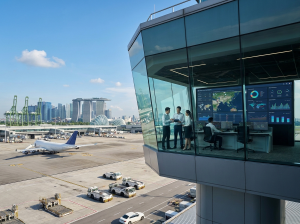
Visibility gaps cost money—delayed decisions compound into missed connections, storage fees, and frustrated customers. Top-tier forwarders give you live shipment tracking, automated alerts, and digital documentation access through integrated platforms. You’re not waiting on email updates or chasing status calls. When exceptions occur, you see them instantly and respond before they escalate. That’s operational control, not reactive firefighting.
Why Singapore Air Freight Regulations Catch Shippers Off Guard
Real-time visibility gives you control over what’s moving—but only if you understand the rules governing how it moves. Singapore’s air freight regulations shift frequently, covering dangerous goods classifications, customs documentation, and IATA compliance updates. Most shippers miss these changes until shipments stall. A top-tier forwarder monitors regulatory developments proactively, flags compliance gaps before they create delays, and keeps your cargo moving without costly surprises.
What Separates Top Forwarders When Shipments Go Wrong
Shipments go wrong—delayed, held at customs, rerouted, or damaged—and that’s precisely where the gap between average and top-tier forwarders becomes obvious. Top forwarders don’t just notify you; they activate contingency plans immediately, communicate proactively, and resolve issues before they escalate. You’ll notice the difference in response time, accountability, and whether your forwarder owns the problem or deflects it.